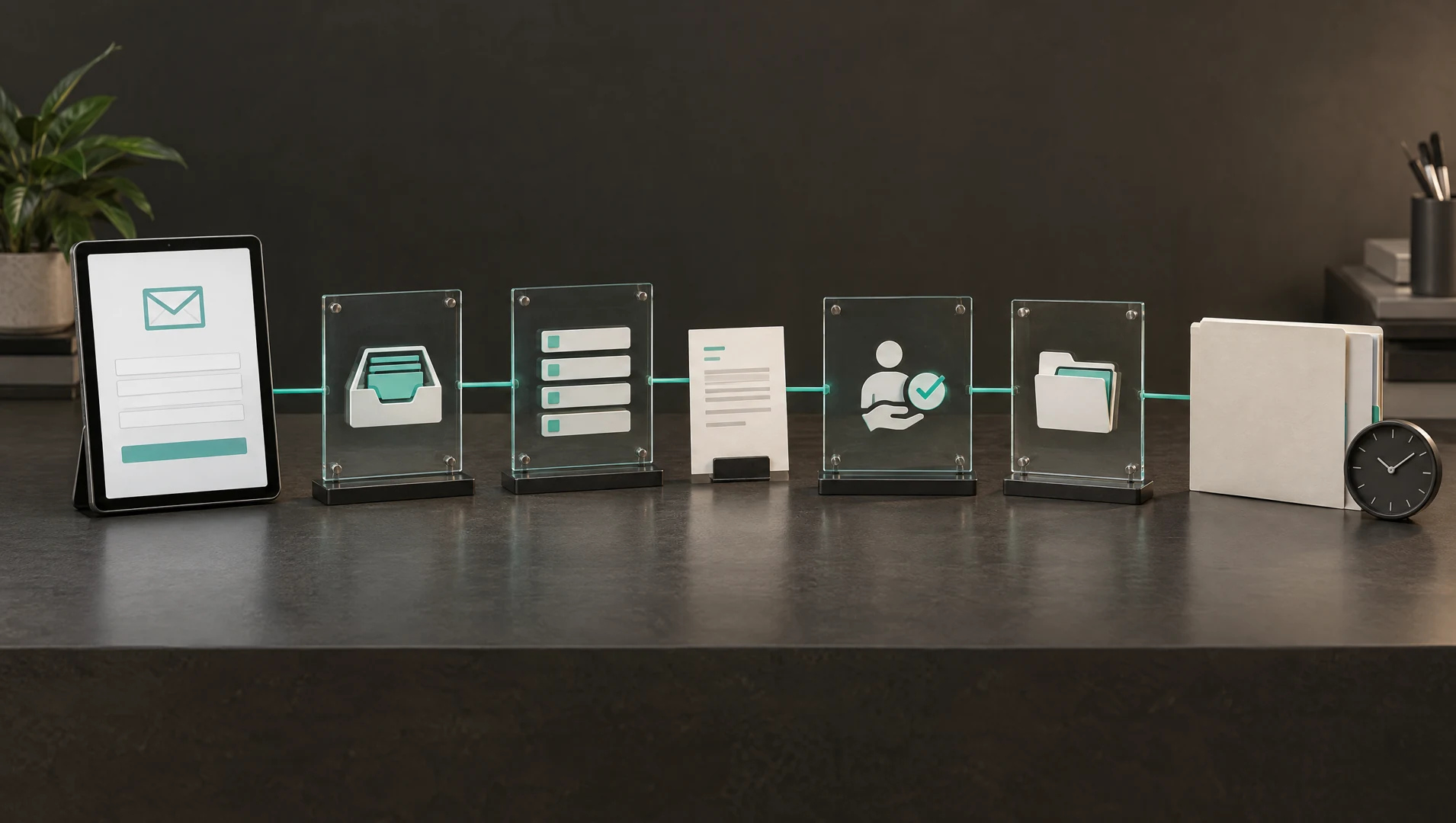
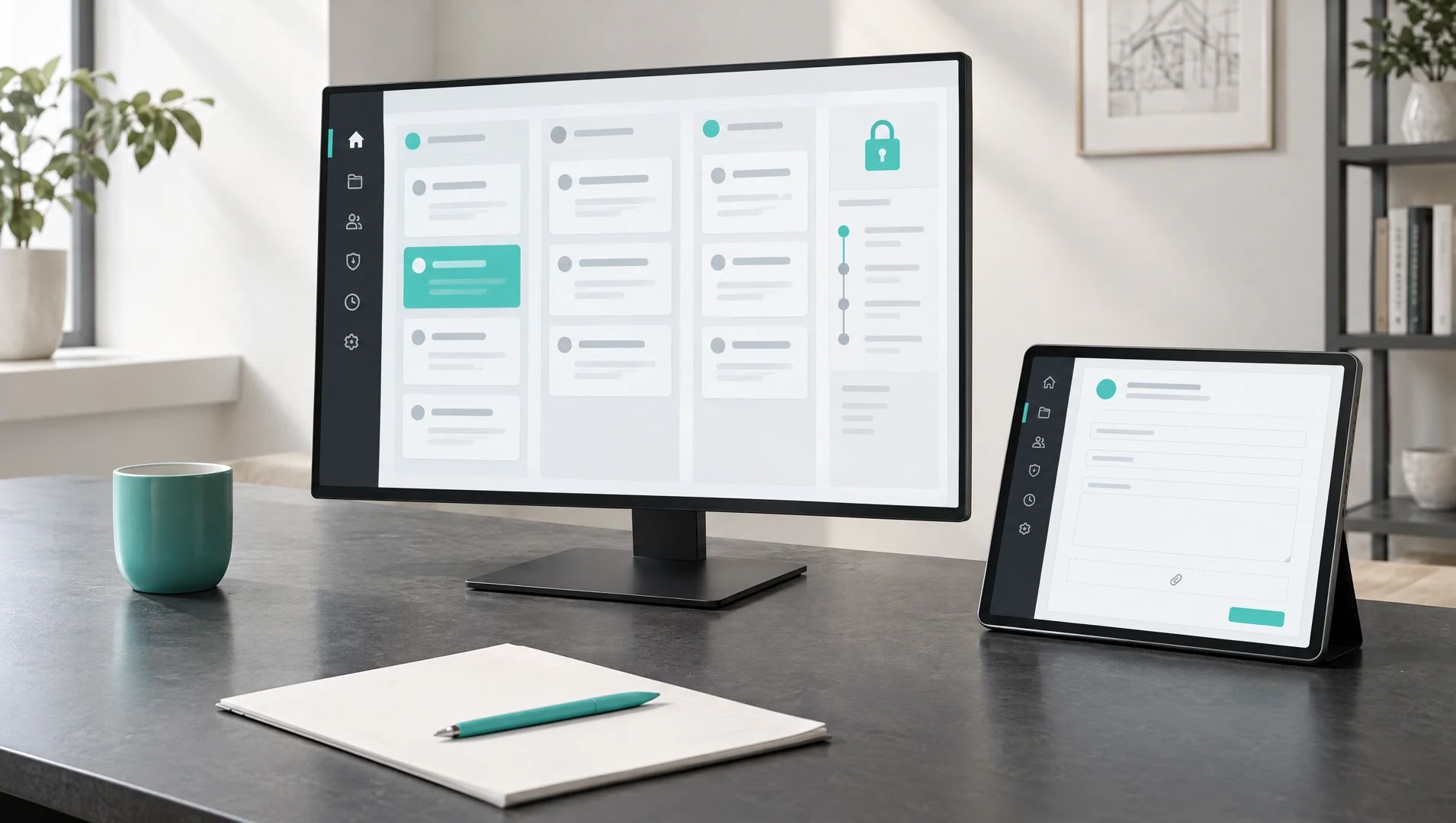
Original concept filmAn explanation of the service. Not a client case study.
Let a visitor inspect a model on an ordinary screen with a clear purpose and controls.
Input
Check model rights, detail and suitability for the target browser.
Decision
Prototype a useful view or interaction with readable instructions.
Result
Test whether users understand the object, with images and descriptions as an alternative.
Explore how a digital object fits a scene before committing to additional assets or hardware.
Input
Define the object, target setting and device constraints.
Decision
Prototype how the object is positioned or inspected in the chosen scene.
Result
Use the preview to discuss placement; it is not a measured survey.
Prototype one scene to help someone understand a place or a defined interaction.
Input
Identify the question the scene should answer and the available authorized content.
Decision
Prototype one route or interaction with a conventional way to access the information.
Result
Observe users before choosing more scenes, capture or specialized hardware.
Define the fit
before the build.
A service family gives the conversation a starting point. We review users, dependencies, access and acceptance before agreeing on the delivery.
01
Start with a need
Which task needs to work better?
02
Review the options
Compare configuration, connection and development.
03
Agree on scope
Confirm responsibilities and acceptance.
Before your next step
Useful answers.
Clear expectations.
Understand the starting point, the review and the scope before sharing a request.
Must we replace our current tools?
We first compare configuration, integration and development. A tool may already support the task you need. Access permissions, provider capabilities and the condition of your data determine what can connect.
Can we start with one workflow?
Yes. A first phase can focus on one recurring task, its users, data, dependencies and acceptance criteria. We review what must stay manual and what must be excluded before proposing implementation.
Is the explorer response a quote?
It is a direction and an editable brief based on the public catalog. It is not a quote or commitment to deliver. Scope, price, dates and support require a reviewed proposal and agreement.
What does a person review when AI is involved?
Review depends on the task. We define approved sources, output checks, exceptions and who can approve an action. Sending messages, changing important records or making commitments needs the controls agreed for that workflow.
Can I use the site without AI?
Yes. Service pages, guides, internal demos and direct contact remain available. The explorer can offer catalog based orientation when live AI is unavailable. You can edit a project brief before choosing to submit it.
Who controls the accounts, data and code?
The proposal identifies the account owners, access permissions, delivered code, reusable components and third party licenses. A handover includes the agreed documentation and access inventory. Ownership must be clear before work begins.
Your next move
Start with the work. Make the next step clear.
Describe what your team needs to improve. Explore a direction and prepare a brief you can review.
 From input to outcome